
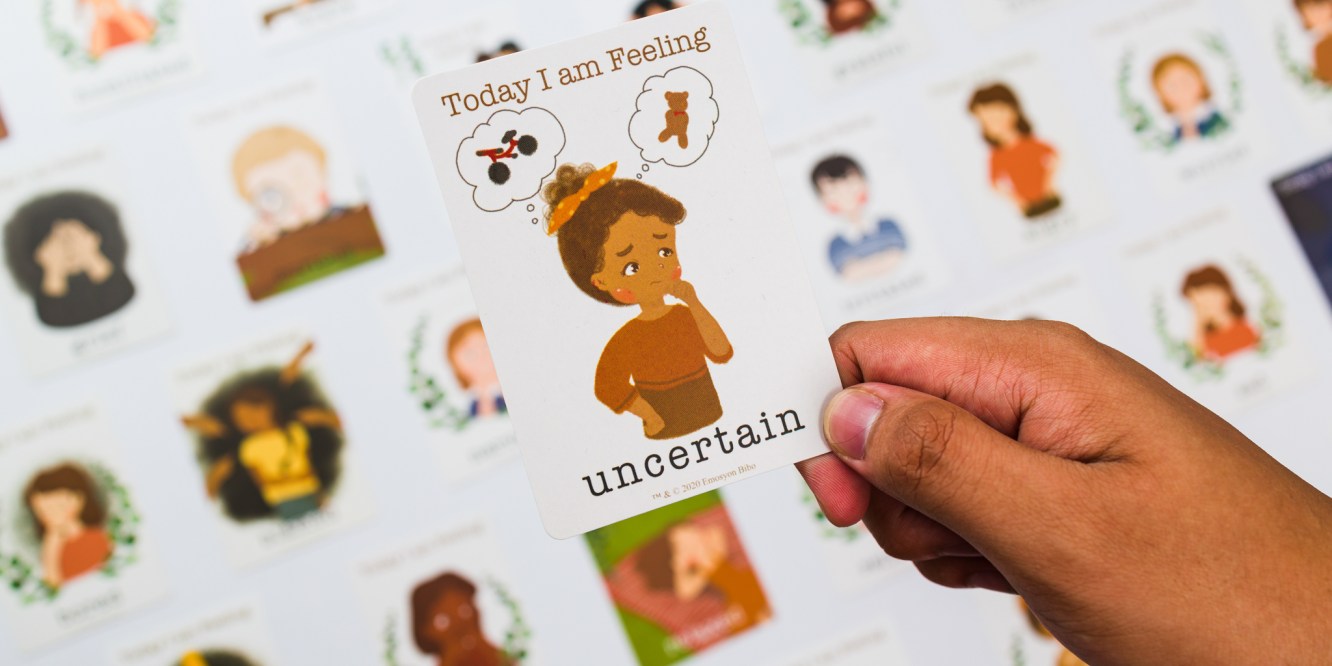

Understanding your child’s emotions is critical for effective parenting. It can be difficult to figure out what your child is feeling and why. We need to be in tune with our child’s emotions because they are messages that will help us to get to know them, understand them, and to support them not just physically but also emotionally and mentally.
How can we help our children when they feel upset, overwhelmed, scared, or anxious?
We talk to them, listen to them, and encourage them to express themselves safely and calmly. Simple, but not always easy to implement, especially if we do not feel comfortable with unpleasant emotions. We need to teach our children emotional intelligence (EQ) and we ourselves need to have emotional intelligence (EQ) in order to help them in their emotional struggles.
Emotional intelligence (EQ) is described as the ability to motivate oneself and persist in the face of frustrations, control impulses and delay gratification, regulate one’s mood, and not allow distress from swamping the ability to think, and lastly, empathize and hope. As a social skill, EI helps us understand other people’s feelings, motives, and concerns which, in turn, helps in building healthy relationships.
Daniel Goleman, one of the proponents of EQ, shares that emotional intelligence, not academic intelligence, ensures success and a number of studies support this claim. If we want to raise a successful, fulfilled, and happy adult, we need to think about EQ skills like, emotional awareness, emotion regulation, empathy, and social skills.
We can start instilling emotional intelligence by using different ways to help our children identify and express their feelings in our homes. One socio-emotional learning tool we can use is an emotion card. Using an emotion card can help improve our children’s feeling vocabulary and normalize talking about emotions at home.
Emotion cards, also known as emotion flashcards or feeling cards, are useful for kids for several reasons:
1. Emotional Awareness
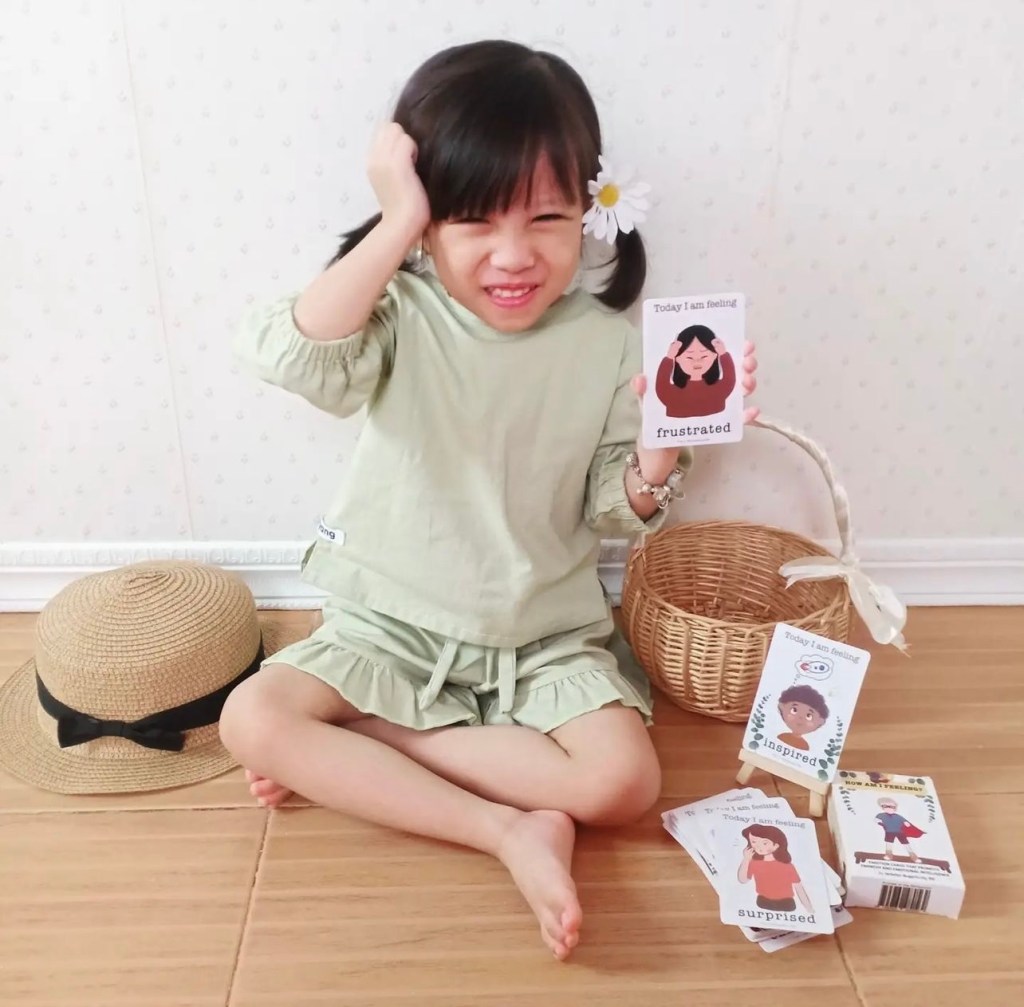
Self-awareness is where emotional literacy starts. EI is often referred to as emotional literacy in educational circles, with the word “literacy” implying a practical method or idea that can be taught like reading. Emotional literacy starts by tuning in to feelings, identifying, understanding, and expressing emotions.
Emotion cards help children develop emotional awareness by providing visual representations of different emotions. They can learn to identify and label various feelings through facial illustration and the feeling vocabulary.
One study in the USA found that naming feelings reduces the intensity and stress levels and helps a person to think, plan, and reason. First, the researchers showed a disturbing picture to the participants while measuring the activities of their brains. The amygdala, the part of the brain activated when a person is anxious and stressed out, was triggered when a disturbing picture was shown. Then they asked them to name their feelings, and MRI showed that the amygdala’s arousal went down, and the cortical part of the brain responsible for language, reasoning, and planning went up. This study points out that our brains will help us cope with emotions by simply putting our feelings into words.
2. Vocabulary Development
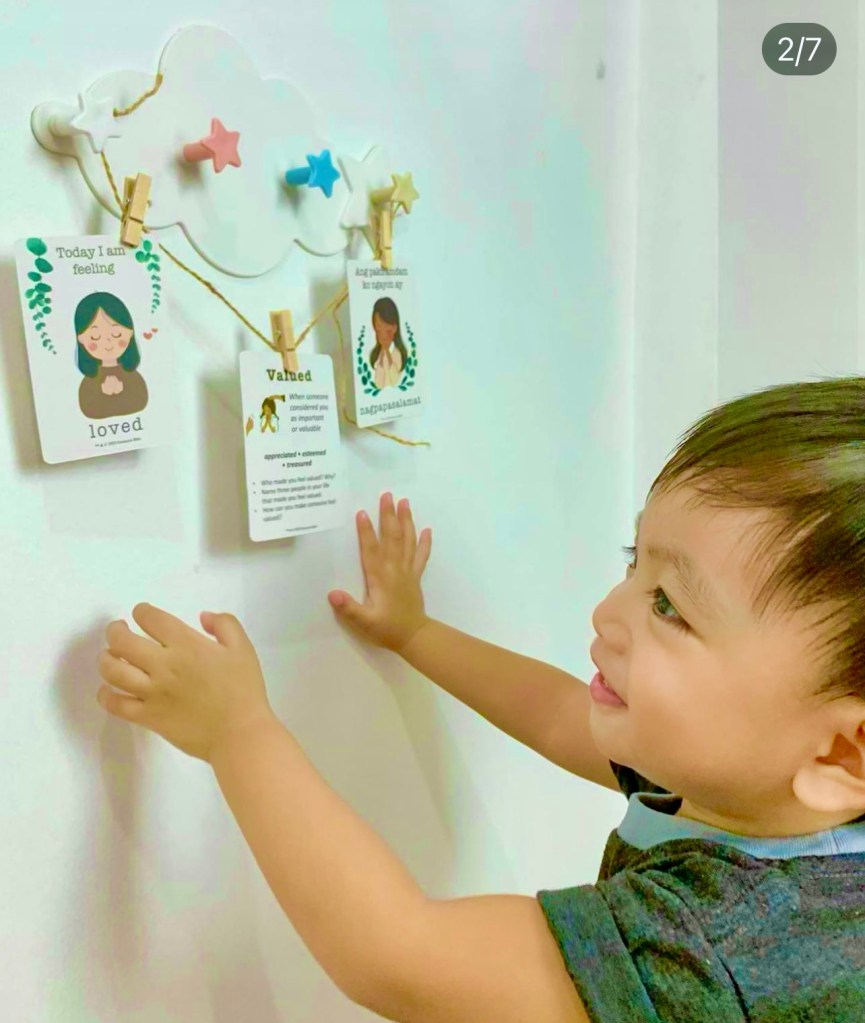
Why language is important? Because what we say influences the way we think. If we do not have a language for it how can we communicate it? Language not only communicates to others what we are feeling; it also shapes the actual effect and emotion that we are feeling. Having the right vocabulary for our emotions helps us to experience them. The more we allow ourselves to feel various emotions, the more we connect with and understand ourselves and others.
An emotion card can help your child express themselves while also allowing you to check in on them. Use simple emotive words as your child begins to learn to identify their emotions. The more emotion vocabulary they have, the better they will be able to express themselves.
We teach our kids emotional vocabulary so they can have the right words to express what is happening from their perspective. We teach pleasant emotions so they can truly embrace and feel those emotions. We teach them what unpleasant emotions are so they will know how to ask for help and support when needed, and so they will know what it feels when something is wrong.
3. Emotion Regulation

Emotion cards can assist children in learning how to regulate their emotions. When faced with intense or overwhelming feelings, children can use the cards as a tool to identify and communicate their emotions. Whining and meltdown happen when children’s needs are not met or when they cannot express what they want.
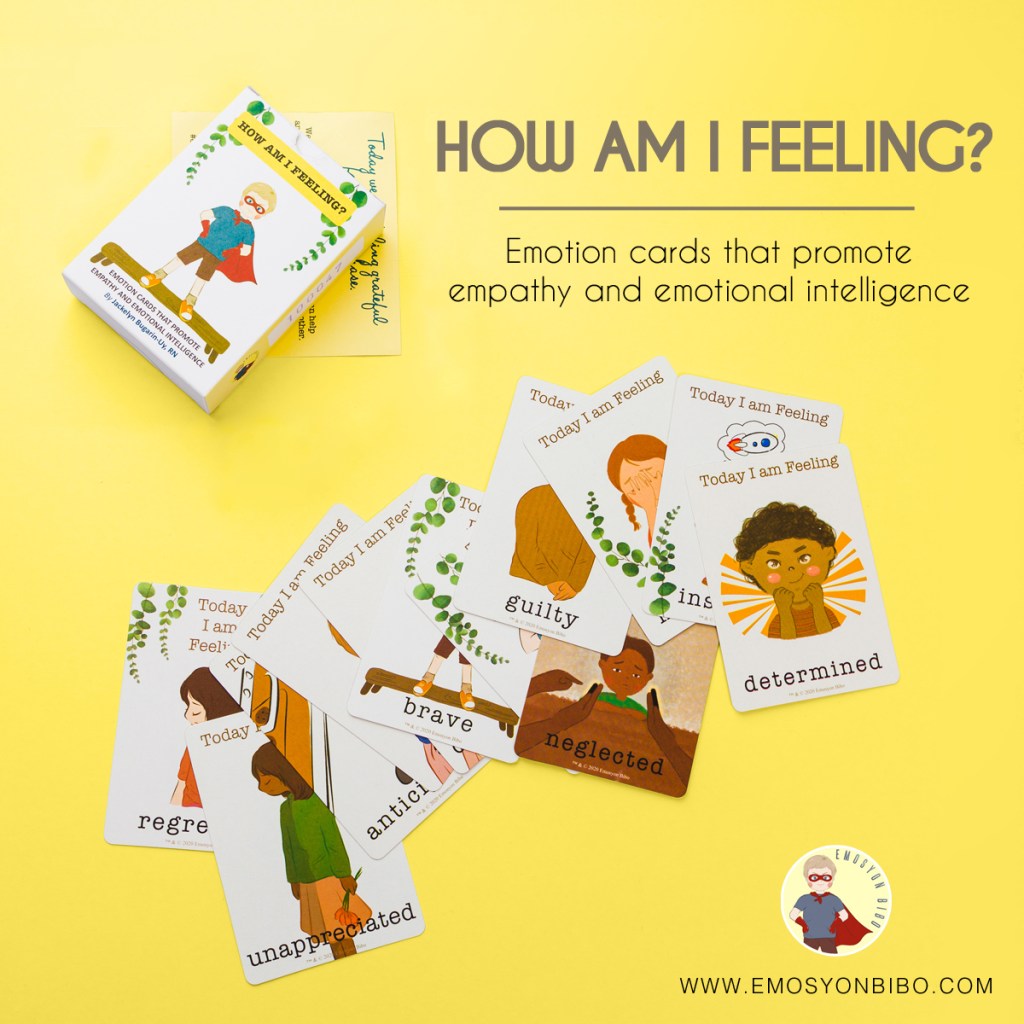
Though children will not fully master emotion regulation they can start learning healthy coping strategies and problem-solving skills to manage their emotions in a constructive manner. The Emosyon Bibo’s How am I Feeling emotion cards have questions at the back of the cards that ask about how we usually cope with emotions. Discussing ways we cope with emotion with our kids can help them learn from us their parents.

4. Empathy Building
Exposure to emotion cards can foster empathy in children. By recognizing and understanding different emotions in others, children learn to empathize and show compassion. When we consistently use emotion cards in our homes, our children will have the chance to hear us share our feelings. According to Borba (2016), face-to-face contact is the best way for kids to learn how to read emotions and develop empathy. Our family times using the emotion cards will help our kids develop the ability to understand and relate to the feelings of their peers, family members, and others around them.
5. Social Skills Development
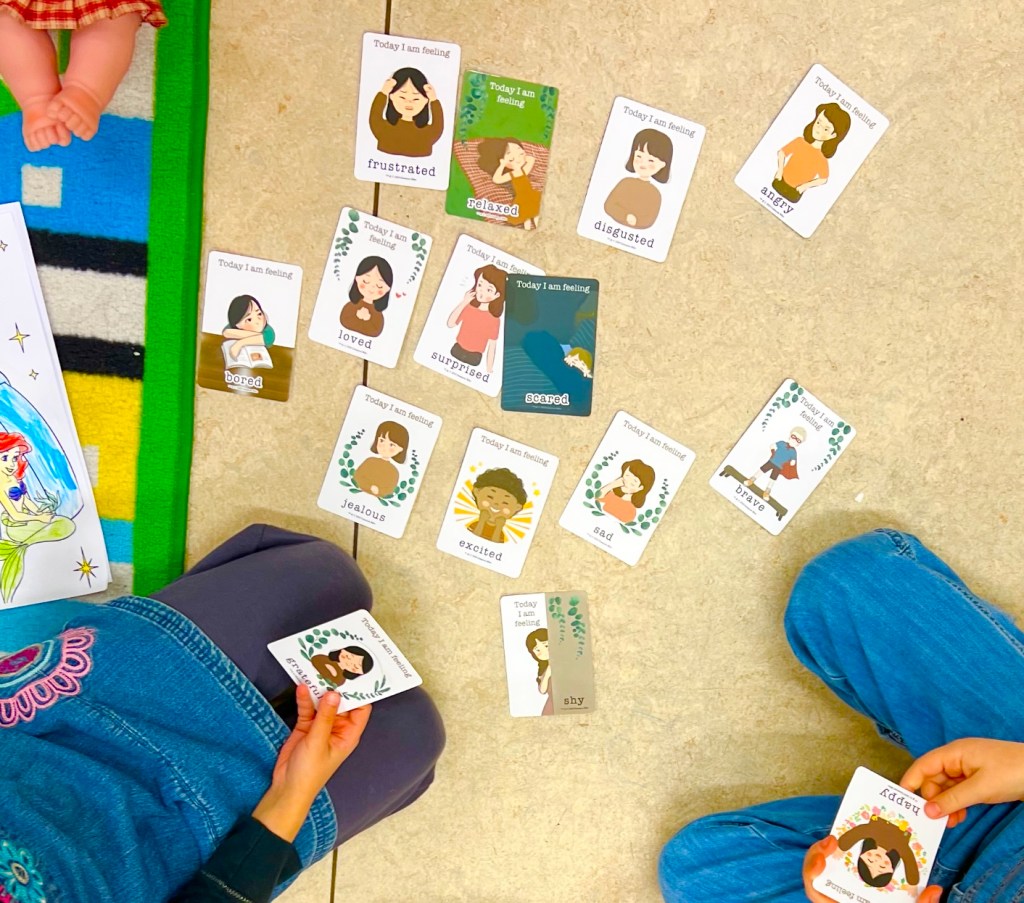
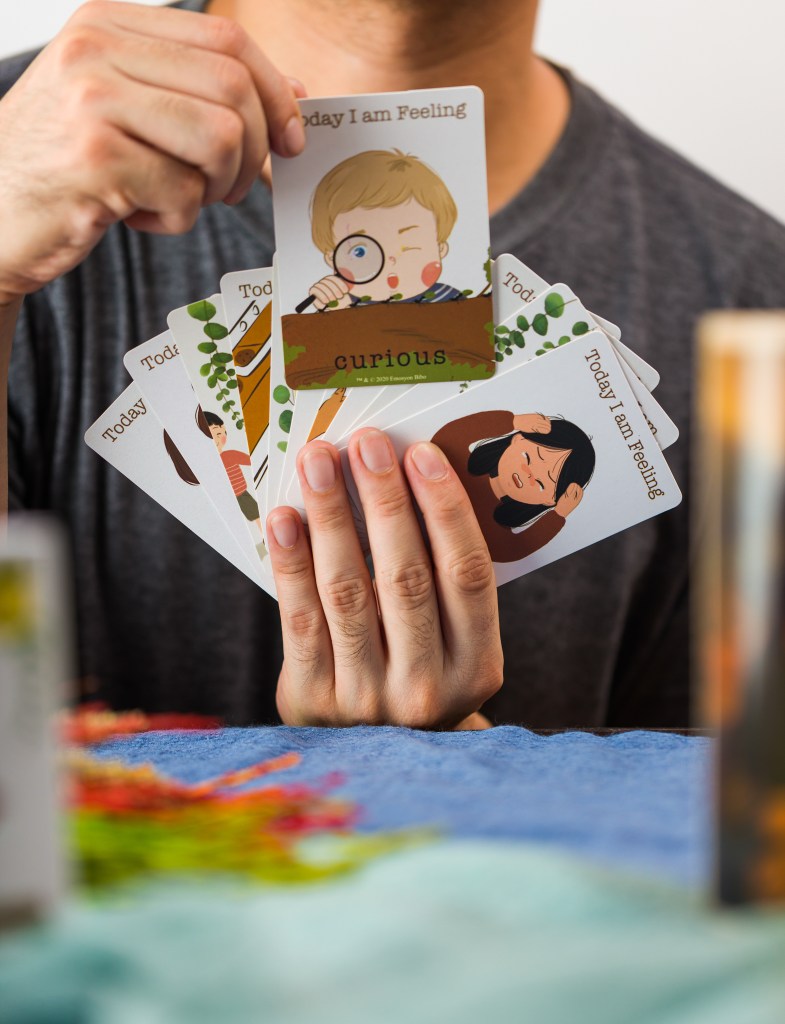
Emotion cards can be used in various social situations, such as group discussions or therapy sessions, to facilitate conversations about emotions. Children can take turns explaining how they feel or guessing the emotions depicted on the cards.
Emotion cards can also be used before starting an activity, for example, a nature walk. We can ask them to pick two emotion cards before the walk and two emotion cards after the walk and let them show and explain their cards to the group. In this way, we can facilitate feedback sessions that include feelings.
6. Art and Play Therapy
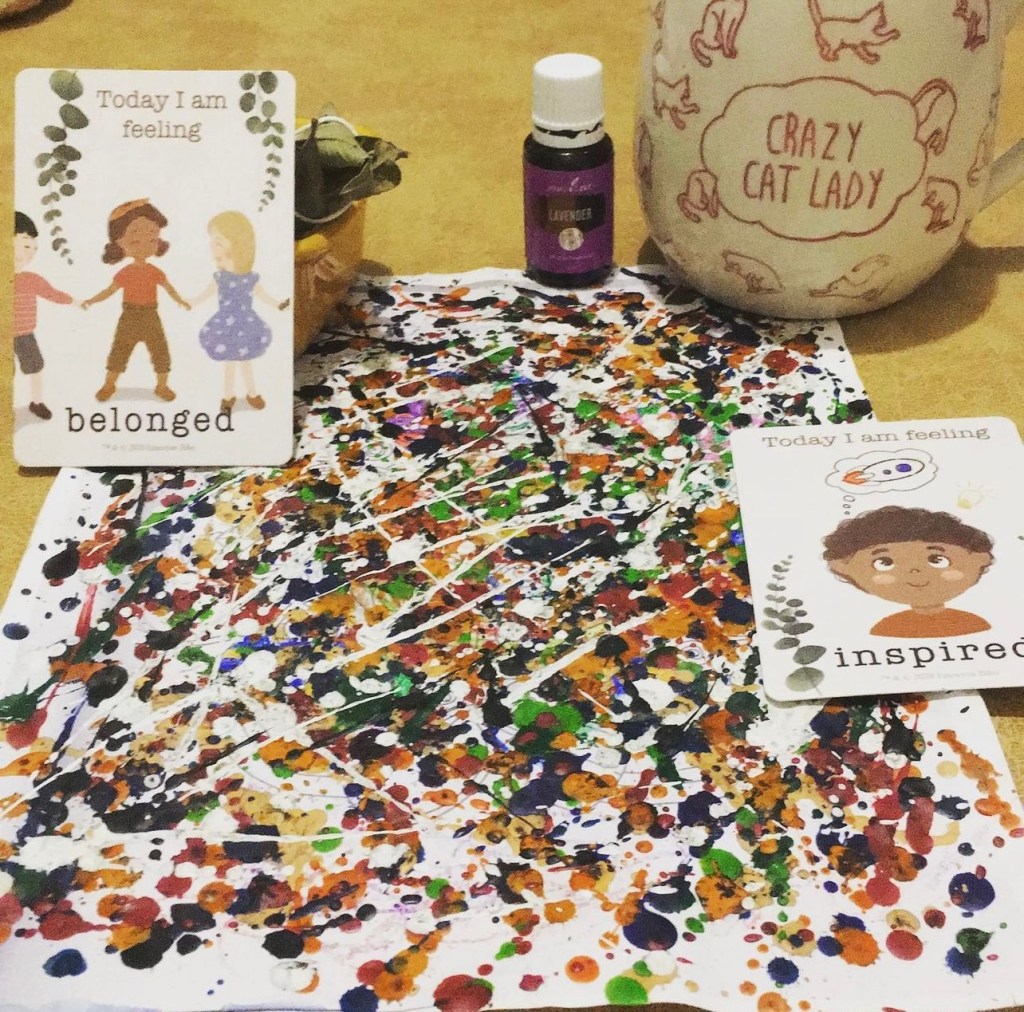
Emotion cards can be incorporated into art and play therapy sessions. Many children feel that drawing painting, or other artistic forms allow them to communicate their emotions in a simpler way than words.
Children can use the cards as prompts to create artwork or engage in imaginative play, allowing them to explore and express their emotions in a safe and creative way. This can be particularly beneficial for children who find it challenging to verbalize their feelings directly.
The “How am I Feeling?” Emotion Card
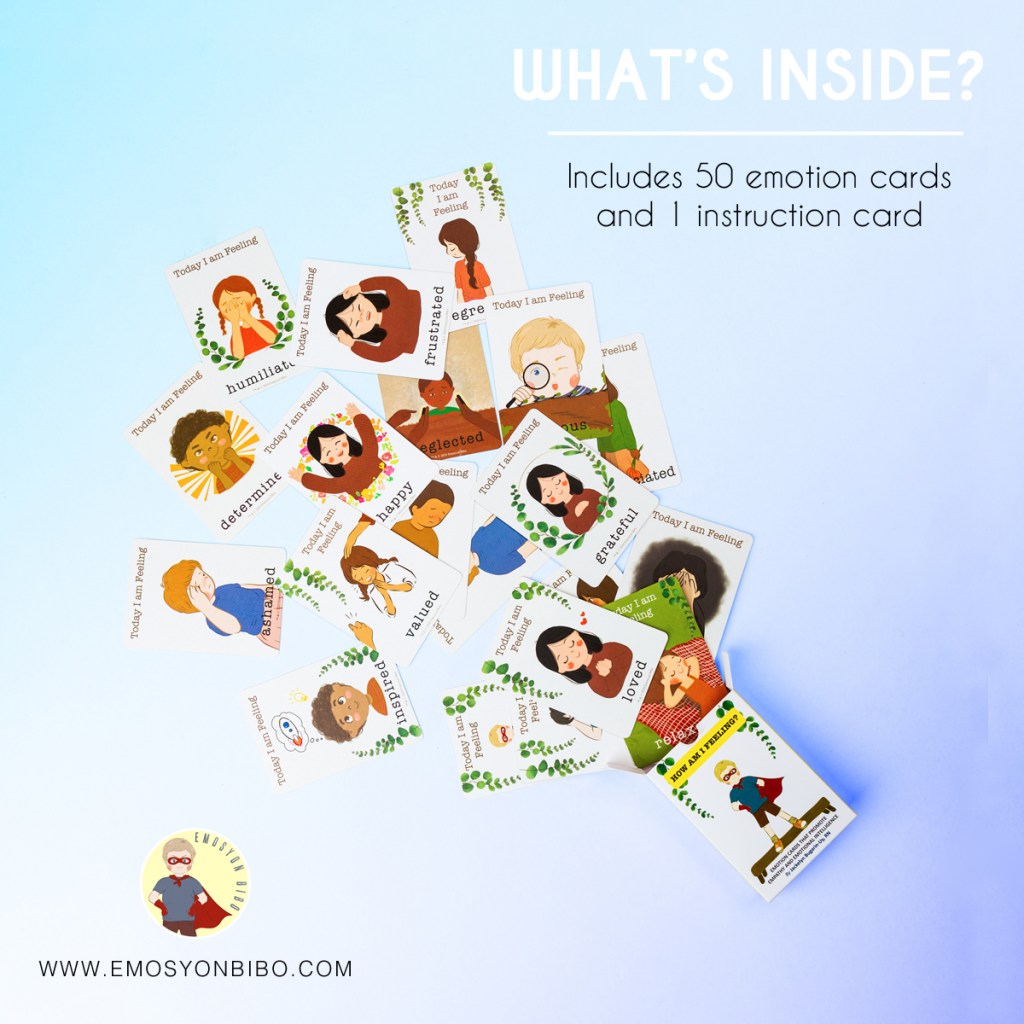
The “How am I Feeling?” Emotion Cards is a simple conversation tool that will help you and your family to listen, open up and connect to one another. This specially prepared card set includes 50 emotional picture cards, each printed with a definition and related feelings. Moreover, there are questions provided that can be helpful to process and navigate feelings more.
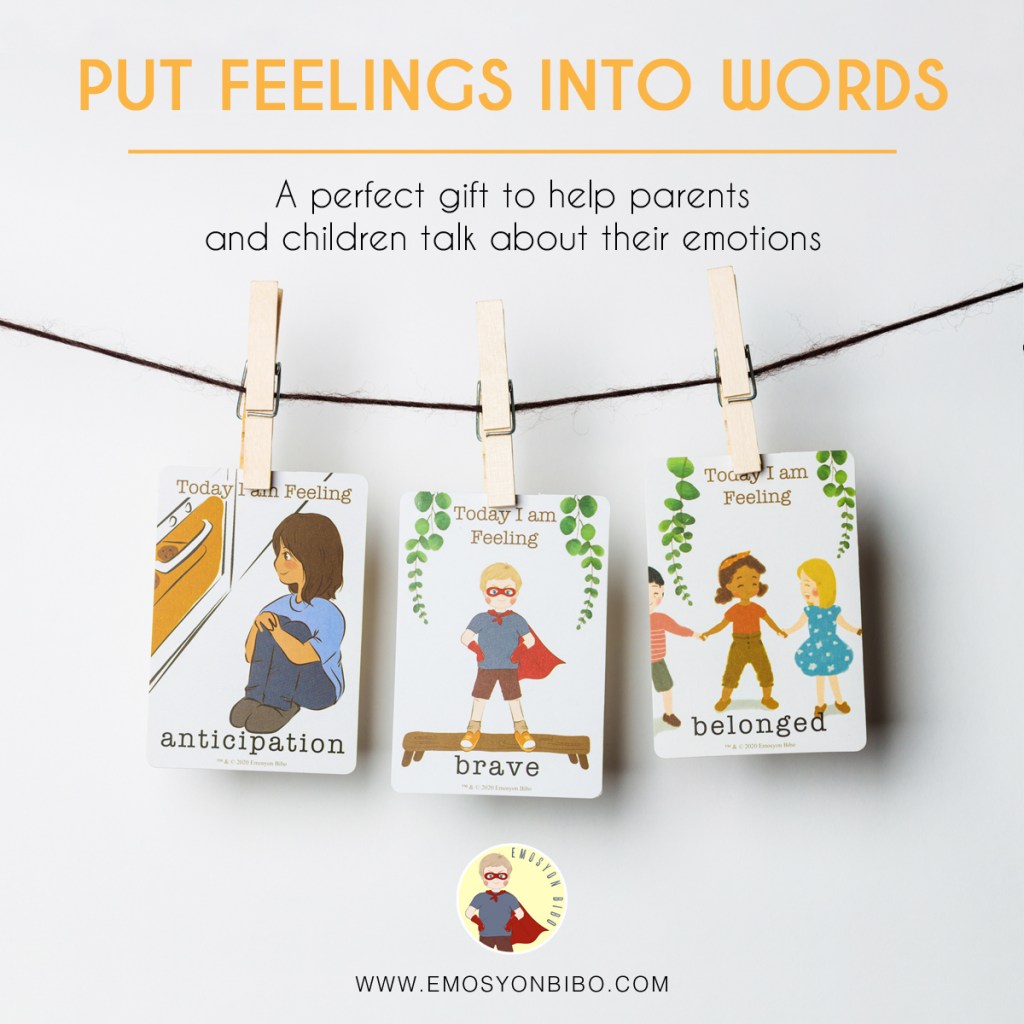
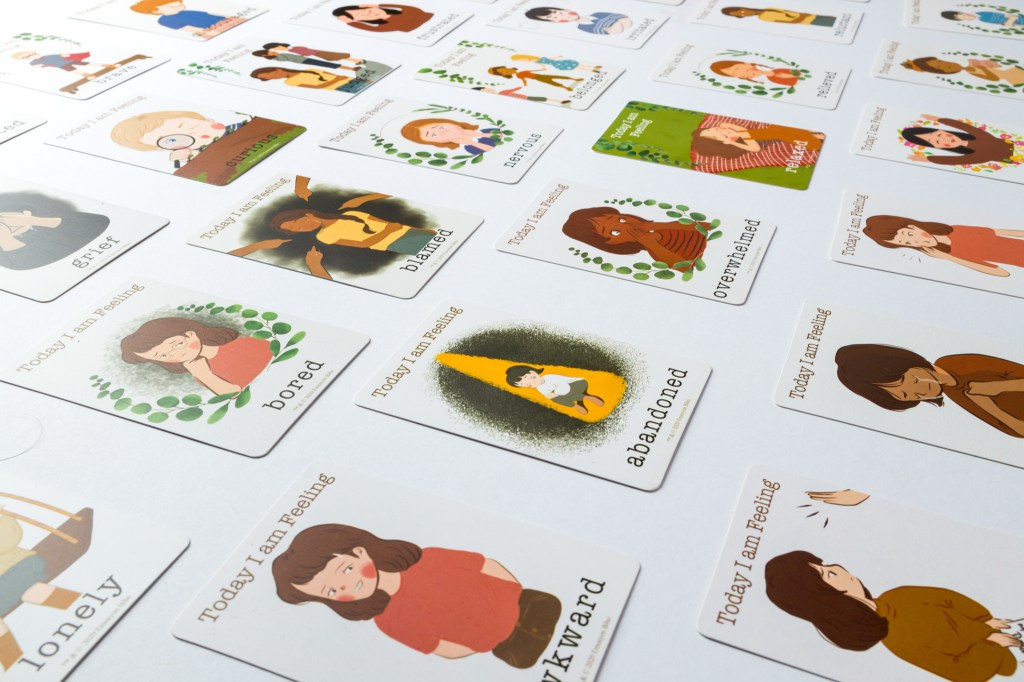
Ways to use the “How am I Feeling?” Emotion Card
A. Let your children choose cards according to how they feel this week. If they can’t read, ask them to look at the picture and pick the one resembling their thoughts. Guide them by showing pictures of the emotions and reading the definition and questions.
B. Be an example first by picking the emotion cards that represent how you feel this week. Read the definition, discuss the synonyms at the back, and answer the questions. Do not rush; give them time to think and respond. Have a conversation and allow them to tell you stories about an emotion they shared.
C. After watching a movie or reading a book, ask your kids to choose two cards that describe how they feel after watching or reading. Use this opportunity to explore your kid’s thoughts and emotions as they watch or read the story and it is also a perfect time to teach them different moral values they can learn from the story.
D. Express and process your feelings by picking three emotion cards that describe how you feel now. Get paper and coloring material (crayons, paint, markers) and make art according to how you feel.
* For Young Children: For kids who can’t read yet, let them look at the picture that resonates with how they feel. Share your emotion card first so they can follow your lead. Fifty emotions might overwhelm them, so pick the six basic emotions (i.e., anger, disgust, fear, happiness, sadness, and surprise) for a start and gradually increase their feeling vocabulary.

Remember that when we can be real to the people that we love and they accept us no matter what, that’s when we can truly feel a sense of belonging. When we cultivate a culture that courage and authenticity are seen as strengths, we will surely understand, appreciate and benefit from the gift that God gave all of us-our EMOTIONS.
References:
Borba, M. (2016). UnSelfie: Why Empathetic Kids Succeed in Our All-about-me World. New York: Touchstone.
Goleman, D. (1995). Emotional Intelligence: Why It Can Matter More than IQ. New York: Bantam Books.
Lieberman, M., Eisenberger, N., Crockett, M., Tom, S., Pfeifer, J., & Way, B. (2007). Putting feelings into words: Affect labeling disrupts amygdala activity in response to affective stimuli. University of California.
Order the ”How am I feeling? ”| Emotion Set in our Lazada store or Shopee store.
Emosyon Bibo® aims to encourage families to learn about the importance of emotional intelligence in their lives. We want to provide practical tools to help families be emotionally connected by applying emotional intelligence principles. Emosyon Bibo®’s products and services are inspired by the emotional intelligence theory. Check out more Emosyon Bibo socio-emotional learning products here.
For more inspiration in creating a family culture that promotes emotional connection, visit our Emosyon Bibo® website and follow our Instagram, Facebook, Twitter, and TikTok.

 Emosyon Bibo®: Socio-Emotional Learning (SEL) Tools Provider
One Reply to “Support your child’s EQ using emotion cards”